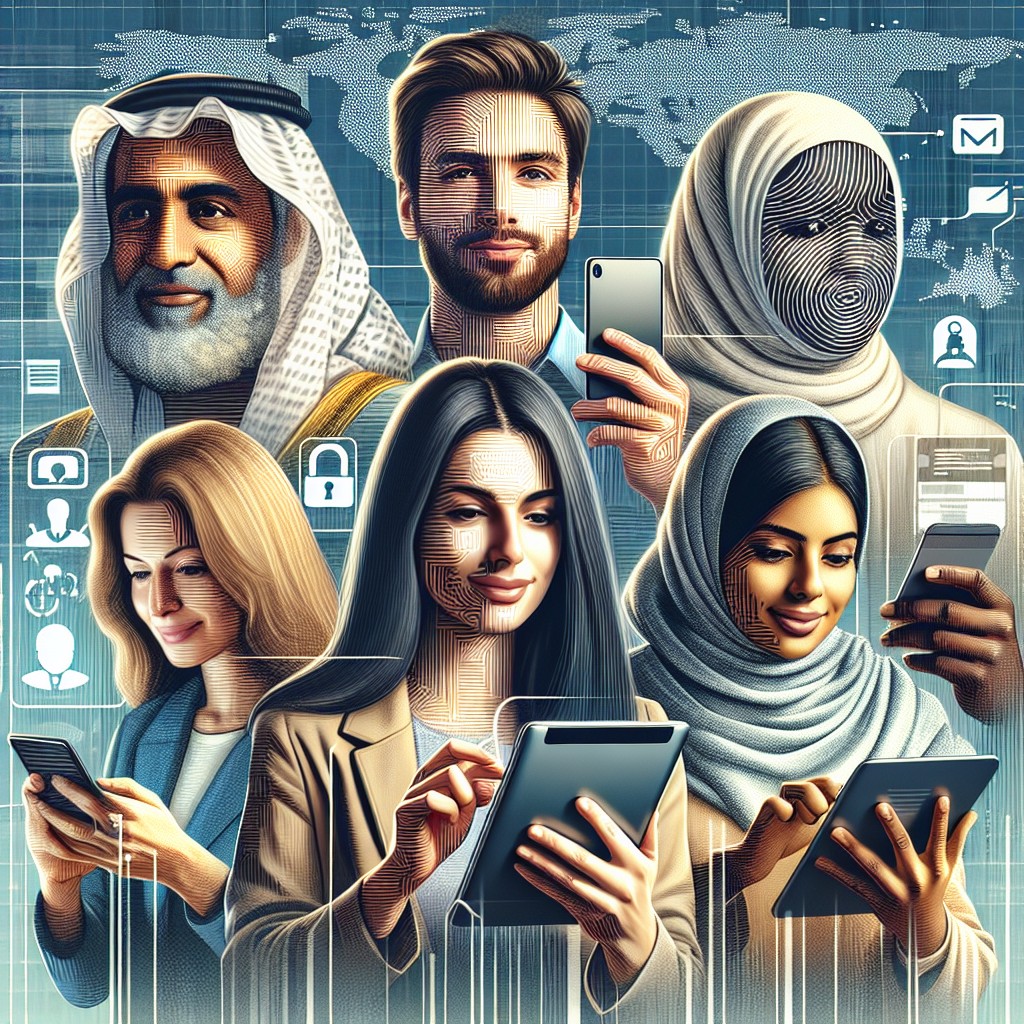
The advent of digital technologies has accelerated the implementation of digital identity systems worldwide. Governments and private sectors are increasingly adopting advanced verification methods to streamline access to services, enhance security, and protect individuals’ data amid growing cybersecurity threats.
Global Trends in Digital Identity Verification
Across continents, countries are developing tailored digital identity frameworks that reflect their regulatory environments and infrastructural capabilities. The European Union, through its eIDAS regulation, has standardized electronic identification and trust services to support cross-border digital identity interaction. Meanwhile, emerging economies in Asia and Africa are leveraging mobile technology to expand digital ID solutions to underserved populations, addressing both accessibility and verification challenges.
Innovations Driving the Digital Identity Revolution
Biometric verification techniques, such as fingerprinting, facial recognition, and iris scanning, are increasingly being integrated into digital identity platforms to improve the accuracy and efficiency of authentication processes. Additionally, blockchain technology offers a decentralized model for storing and managing identities, enhancing security and user control over personal data. These innovations aim to reduce identity fraud and create seamless user experiences in sectors ranging from banking to healthcare.
Challenges to International Digital Identity Adoption
Despite the enthusiasm, the international expansion of digital identity systems faces notable obstacles. Privacy concerns remain paramount, with many citizens and advocacy groups wary of data misuse or surveillance. Interoperability between diverse national systems presents technical and legal difficulties, often hampering cross-border service provision. Furthermore, unequal access to digital infrastructure may exclude vulnerable populations, necessitating inclusive policy measures.
Regulatory Approaches and Collaboration Efforts
Regulators are striving to balance innovation with protection by instituting comprehensive data protection laws and frameworks. The General Data Protection Regulation (GDPR) in Europe sets a precedent for safeguarding personal information linked to digital identity. International organizations, such as the International Telecommunication Union (ITU) and the World Economic Forum (WEF), facilitate cross-national dialogue and the establishment of standards to promote interoperability and trust in digital identification systems globally.
The Impact of Digital Identity on Global Services
Digital identity verification is transforming how individuals access government benefits, financial services, healthcare, and education. Streamlined authentication reduces administrative burdens and allows for remote, instant service delivery. For example, in India, the Aadhaar system provides over a billion residents with a digital identity that integrates into multiple aspects of daily life, enhancing service efficiency and economic participation.
Conclusion
The rollout of digital identity systems internationally marks a significant shift in the verification landscape, driven by technological advancements and the increasing demand for secure digital interactions. While challenges related to privacy, interoperability, and inclusivity persist, ongoing regulatory developments and collaborative efforts indicate a steady movement towards more robust, user-centric digital identity solutions in the coming years.
Frequently Asked Questions about digital identity
What is the primary purpose of a digital identity?
The primary purpose of a digital identity is to reliably verify an individual’s identity online, enabling secure access to services and digital interactions.
How does digital identity verification differ internationally?
Digital identity verification varies internationally based on differing regulations, technological infrastructures, and cultural attitudes toward privacy and data security.
What technologies are commonly used in digital identity systems?
Common technologies include biometrics, blockchain, and secure authentication protocols, all designed to enhance accuracy and security in digital identity verification.
Why is privacy a significant concern with digital identity?
Privacy concerns arise because digital identity systems collect and manage sensitive personal data, which if mishandled, can lead to identity theft, surveillance, or unauthorized data sharing.
Can digital identity improve access to public services?
Yes, digital identity facilitates easier and faster access to government, healthcare, and financial services by enabling secure remote verification and reducing paperwork.