As climate change continues to reshape our planet, new forecasts for the year 2026 have raised alarms among experts in environmental science. With increasing global temperatures and extreme weather events becoming more frequent, a detailed Climate Analysis reveals troubling patterns that may define the near future.
The Rise in Global Temperatures
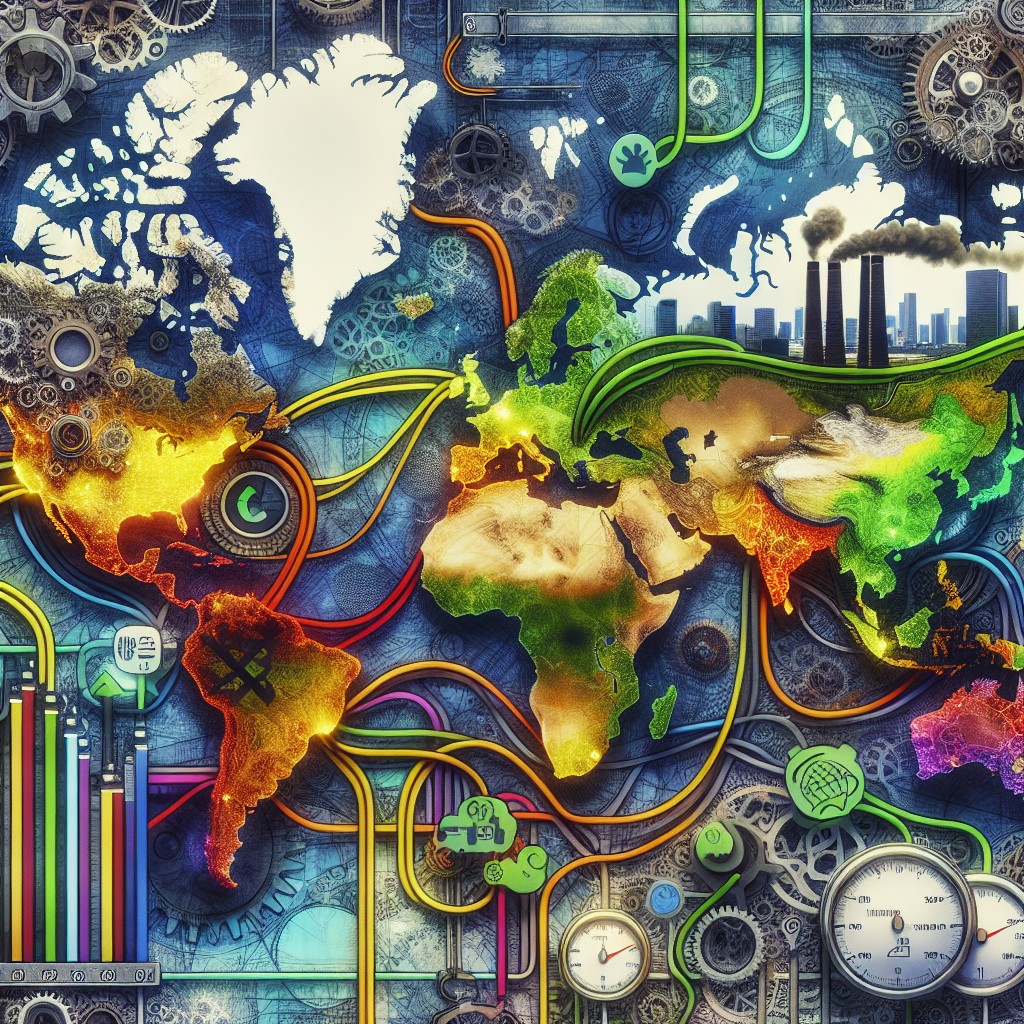
According to data from leading climate research centers, global temperatures are projected to rise significantly by 2026. This will be primarily driven by human activities, including extensive fossil fuel use and deforestation. Researchers have highlighted that the 1.5-degree Celsius threshold, established in the Paris Agreement, is set to be breached in many regions. If these trends persist, the implications could be catastrophic for biodiversity and human societies alike.
Increased Frequency of Extreme Weather Events
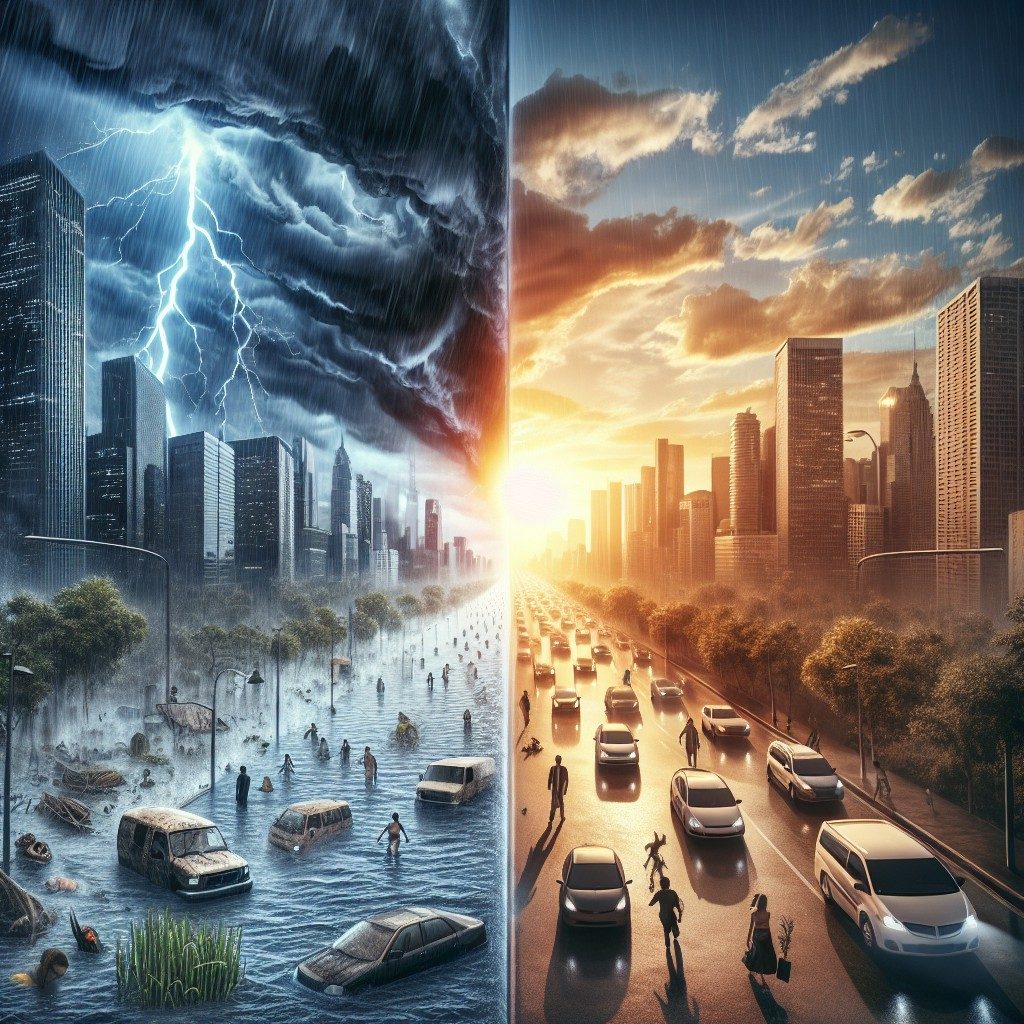
Another alarming trend outlined in the recent Climate Analysis is the anticipated increase in the frequency of extreme weather events. Scientists predict a notable uptick in hurricanes, heatwaves, and heavy precipitation. The data suggests that these events will not only become more common but will also be more intense, leading to increased displacement and economic strain in vulnerable regions worldwide.
Challenges for Agriculture and Water Resources
The evolving climate patterns forecasted for 2026 pose serious risks to agricultural systems and water resources. Significant alterations in rainfall distribution and temperature extremes threaten crop yields. Regions traditionally viewed as stable for agriculture may face declines in productivity, impacting global food supply chains. Furthermore, water scarcity could become a critical issue as unpredictable weather disrupts natural water cycles, amplifying tensions in already water-stressed areas.
Conclusion: A Call for Urgent Action
The findings from recent climate analyses indicate an urgent need for action against climate change. The predicted weather patterns for 2026 must serve as a wake-up call for governments, industries, and individuals to implement more sustainable practices and policies. Adaptation and mitigation strategies are imperative to protect ecosystems and human communities from the looming climate crisis.
Frequently Asked Questions about Climate Analysis
What is Climate Analysis?
Climate Analysis refers to the study of climate data to understand patterns and trends affecting the environment. It helps predict future conditions based on current and historical data.
Why is Climate Analysis important for 2026?
The Climate Analysis for 2026 is crucial as it reveals expected weather patterns and challenges that can impact ecosystems, economies, and human health.
How do experts conduct Climate Analysis?
Experts conduct Climate Analysis by using climate models, statistical methodologies, and vast amounts of observational data to examine changes in climate over time.
What institutions provide Climate Analysis data?
Various institutions, including the World Meteorological Organization and the Intergovernmental Panel on Climate Change, provide comprehensive Climate Analysis data that inform policy and strategy.
How can individuals contribute to Climate Analysis efforts?
Individuals can contribute to Climate Analysis efforts by reducing carbon footprints, advocating for environmental policies, and supporting research initiatives related to climate change.