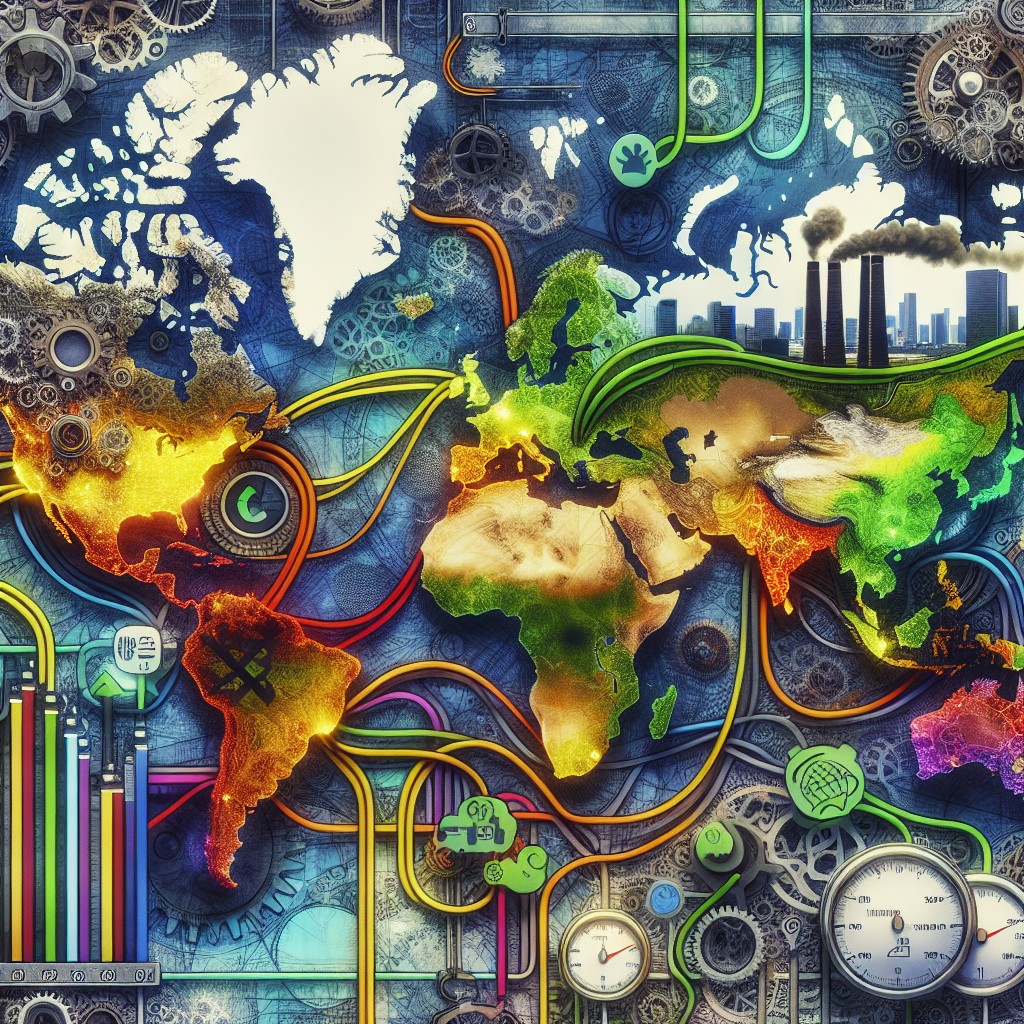
Governments and international organizations are increasingly adopting carbon tariffs as a strategic tool to address climate change and adjust global trade dynamics. These tariffs impose taxes on imported goods according to their carbon footprint, aiming to incentivize greener production methods and level the playing field for domestic industries complying with stricter environmental regulations.
Understanding carbon tariffs and their objectives
Carbon tariffs, also referred to as carbon border adjustment mechanisms, are designed to prevent carbon leakage—where companies relocate production to countries with looser environmental standards. By charging imports based on their embedded carbon emissions, these tariffs encourage exporters to reduce their environmental impact and ensure that domestic producers are not disadvantaged by higher climate policy costs.
Implementation by major economies
The European Union has taken a leading role in implementing carbon tariffs through its Carbon Border Adjustment Mechanism (CBAM), which is set to apply duties on commodities such as steel, cement, and electricity imports. This approach reflects a growing commitment within other jurisdictions as well, including discussions in the United States and Canada about similar measures to align trade policy with climate objectives.
Impact on global trade flows and industries
Carbon tariffs influence global trade by altering cost structures and competitive advantages. Exporters in countries with higher carbon emissions may face increased charges, prompting shifts in supply chains and investment toward cleaner technologies. Industries like manufacturing, energy, and transportation stand to be most affected, as these sectors typically generate significant greenhouse gas emissions during production.
Challenges and criticisms of carbon tariffs
While carbon tariffs aim to encourage environmental responsibility, they also raise concerns regarding trade disputes and fairness. Developing countries argue these tariffs could act as protectionist measures that hinder their economic growth. Moreover, accurately assessing the carbon content of imported goods poses technical challenges, potentially complicating enforcement and compliance.
Future outlook for carbon tariffs in climate policy
As climate regulations tighten globally, carbon tariffs are expected to become an increasingly common feature of trade policy. Their role in reducing carbon leakage and promoting sustainable production processes positions them as an important mechanism in reaching international climate targets. Close collaboration between countries will be essential to balance environmental goals with fair trade practices.
Frequently Asked Questions about carbon tariffs
What exactly are carbon tariffs?
Carbon tariffs are taxes imposed on imported goods based on their carbon emissions, aiming to mitigate climate change by encouraging cleaner production methods globally.
How do carbon tariffs affect international trade?
By adding costs to high-carbon imports, carbon tariffs alter trade flows, potentially encouraging exporters to adopt greener technologies to remain competitive.
Which countries currently implement carbon tariffs?
The European Union is the most notable implementer of carbon tariffs through its CBAM, while other countries like the United States are exploring similar strategies.
Are carbon tariffs considered fair in global trade?
Carbon tariffs face criticism for potentially favoring developed nations and complicating trade for developing countries, raising questions about fairness and equity.
Where can I find more information about carbon tariffs?
Authoritative information about carbon tariffs can be found on international bodies’ websites such as the World Trade Organization and major financial news outlets covering global climate policies.